Makin Ophidian Morphs
Home
About us
FAQ
Feeder rats
Popular Snake Species
  • boa
  • ball python
  • corn snake
  • hognose
  • king snake
  • milk snake
  • garter snake
  • water snake
  • green tree python
care guide
  • Snake care guide
  • disabled snake care guide
Makin Ophidian Morphs
Home
About us
FAQ
Feeder rats
Popular Snake Species
  • boa
  • ball python
  • corn snake
  • hognose
  • king snake
  • milk snake
  • garter snake
  • water snake
  • green tree python
care guide
  • Snake care guide
  • disabled snake care guide
More
  • Home
  • About us
  • FAQ
  • Feeder rats
  • Popular Snake Species
    • boa
    • ball python
    • corn snake
    • hognose
    • king snake
    • milk snake
    • garter snake
    • water snake
    • green tree python
  • care guide
    • Snake care guide
    • disabled snake care guide
  • Home
  • About us
  • FAQ
  • Feeder rats
  • Popular Snake Species
    • boa
    • ball python
    • corn snake
    • hognose
    • king snake
    • milk snake
    • garter snake
    • water snake
    • green tree python
  • care guide
    • Snake care guide
    • disabled snake care guide

About Hognose

Key Characteristics


  • Non-venomous (though some species have mild, harmless venom for prey).
     
  • Small to medium size: Usually 1–3 feet (0.3–0.9 meters) long.
     
  • Unique defensive behavior: When threatened, they can flatten their heads, hiss loudly, play dead, or even strike—but rarely bite.
     
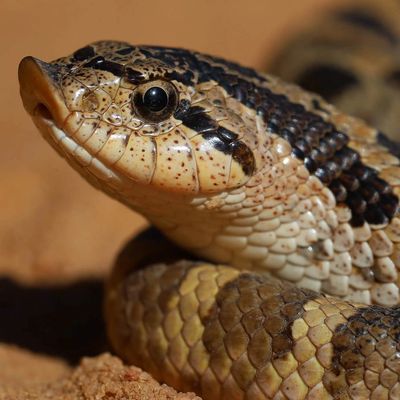
  • Upturned snout: Perfect for digging in soil to find prey. 

Where They Live


  • Prefer sandy soils, grasslands, open woods, and prairies.
     
  • Burrow under loose soil or leaf litter.
     
  • Often found near fields and roadsides.

Diet


  • Mainly amphibians, especially toads, which other snakes often avoid because of toxic skin.
     
  • Will also eat small rodents, lizards, and eggs.
     
  • Constrict or swallow prey whole.

Behavior


  • Docile but dramatic: Famous for bluffing threats instead of actually fighting.
     
  • Defensive displays: Flatten head, hiss, feign strikes, or “play dead” by flipping onto their back.
     
  • Burrowing: Spend a lot of time underground.

Are They Dangerous To Humans


No—they are completely harmless. Even when they “strike,” bites are rare and not dangerous. Their defensive behaviors are mostly for show.

As Pets


  • Popular in captivity due to unique behaviors and small size.
     
  • Require loose substrate for burrowing and hiding spots.
     
  • Can live 10–15 years with proper care.

Hognose care guide

introduction

Hognose snakes are small, mildly venomous (non-dangerous to humans), rear-fanged colubrids native to North America. They are known for their upturned snout, dramatic defensive displays, and unique personalities.

Adult Size


  • Western: 1.5–3 ft
     
  • Eastern: 2–4 ft
     
  • Southern: 1.5–2.5 ft

temperament

 curious, dramatic, occasionally bluffing 

Lifespan

 12–20 years 

Lifestyle

 mostly terrestrial 

activity level

 diurnal (active during the day) 


Enclosure set up

tank size, and enclosure type

tank size


  • Hatchlings: 10-gallon
     
  • Juveniles: 20-gallon
     
  • Adults: 20–40-gallon (30–36 inches long is ideal)

Enclosure type


  • Glass or PVC enclosures work well
     
  • Must be escape-proof
     
  • Good ventilation is essential


 Hognoses prefer horizontally oriented enclosures since they are ground-dwellers.


Heating & Lighting

Temperatures, Heating Equipment, and Lighting

Temperatures


  • Warm side: 88–92°F (31–33°C)
     
  • Cool side: 72–78°F (22–26°C)
     
  • Night temperature: 70–72°F (21–22°C) minimum

Heating Equipment


  • Under-tank heat pad
     
  • Ceramic heat emitter
     
  • Heat lamps (use with care; can dry out enclosure)
     
  • Must use a thermostat

Lighting


  • 12-hour day/night cycle
     
  • UVB not required, but many keepers use low-level UVB (2.0–5.0)
     

Hognoses are active during the day and benefit from naturalistic lighting.


Humidity & Water

Humidity


  • Ideal humidity: 30–50%
     
  • During shed: 40–60%
     
  • Keep substrate lightly moist below the surface, but dry on top

Water


  • Small, shallow water dish
     
  • Replace water every 2–3 days
     

Hognoses are not heavy soakers; avoid overly humid environments.


Substrate (Bedding)

Spot clean Weekly; full clean every 1-2 months. Hognose snakes love to burrow, so substrate choice is very important. Provide 2–4 inches of substrate for burrowing.

Recommended


  • Aspen shavings (most popular)
     
  • Coconut husk/fiber
     
  • Reptichip
     
  • Sand-soil mixes (for experienced keepers only)

Avoid


  • Pine
     
  • Cedar
     
  • Pure sand (impaction risk)


Enclosure Furnishing

Hognoses enjoy cluttered spaces and spend much of their time hidden or burrowing.

Tank Items


  • At least two hides: warm side + cool side
     
  • Branches or driftwood
     
  • Burrow tunnels
     
  • Fake plants for cover
     
  • A moist hide for shedding


Cleaning and Maintenance

cleaning Tips


  • Daily: remove waste
     
  • Every few days: refresh water
     
  • Monthly: full substrate change
     
  • Use reptile-safe disinfectants only


Handling

Handling Tips


  • Move slowly and confidently
     
  • Scoop from below rather than grabbing from above
     
  • Avoid handling during shed


  • Hognoses are usually calm but may bluff:
     
    • Hissing
       
    • Neck flattening (cobra-like)
       
    • False strikes
       
    • Playing dead
       
  • These behaviors are harmless and usually stop with regular handling


Health & Veterinary Care

Find an exotic veterinarian experienced with snakes.

Signs of good health


  • Clear eyes
     
  • Smooth, shiny scales
     
  • Active and alert
     
  • Regular appetite

Signs of illness


  • Refusal to eat for long periods
     
  • Wheezing or clicking
     
  • Soaking excessively
     
  • Mites
     
  • Regurgitation
     
  • Facial swelling (possible minor venom reaction if prey injures snake)


Shedding

Never pull the shed; assist only if stuck on the tail or eyes

Shedding Tips


  • Young snakes shed every 4–6 weeks
     
  • Adults shed less frequently
     
  • Pre-shed signs: cloudy eyes, dull skin
     
  • Increase humidity slightly
     
  • Provide rough surfaces for rubbing off shed


Safety Precautions

tips to protect you and your snakes


  • Wash hands before and after handling
     
  • Keep enclosure secure
     
  • Do not cohabitate hognose snakes
     
  • Supervise children
     
  • Mild rear-fanged venom:
     
  • Not dangerous to humans
     
  • Some people may get local swelling from a bite


Record keeping

Documenting


  • Feeding log
     
  • Shed dates
     
  • Weight tracking
     
  • Health notes
     
  • Vet visits

sneklog is amazing for tracking weight and when they last ate

Add a footnote if this applies to your business

Feeding Guide

Diet


  • Frozen-thawed rodents
     
  • Hatchlings start on pinkies
     
  • Adults eat adult mice; large females may take small rats
     
  • Prey size: width of the snake at mid-body


Feeding Schedule


  • Hatchlings: every 4–5 days
     
  • Juveniles: every 5–7 days
     
  • Adults: every 7–10 days


Feeding Tips


  • Hognoses are known for being picky eaters, especially juveniles
     
  • If fasting, check humidity, hiding spots, and temps


  •  Use feeding tongs
     
  • Avoid handling after eating. Juveniles 3-5 days, adults 5-7 days


Still unsure about what to feed your snake? 

you can contact us and we will help!

Contact Us

Copyright © 2025 Makin Ophidian Morphs - All Rights Reserved.


Powered by

This website uses cookies.

We use cookies to analyze website traffic and optimize your website experience. By accepting our use of cookies, your data will be aggregated with all other user data.

Accept