Makin Ophidian Morphs
Home
About us
FAQ
Feeder rats
Popular Snake Species
  • boa
  • ball python
  • corn snake
  • hognose
  • king snake
  • milk snake
  • garter snake
  • water snake
  • green tree python
care guide
  • Snake care guide
  • disabled snake care guide
Makin Ophidian Morphs
Home
About us
FAQ
Feeder rats
Popular Snake Species
  • boa
  • ball python
  • corn snake
  • hognose
  • king snake
  • milk snake
  • garter snake
  • water snake
  • green tree python
care guide
  • Snake care guide
  • disabled snake care guide
More
  • Home
  • About us
  • FAQ
  • Feeder rats
  • Popular Snake Species
    • boa
    • ball python
    • corn snake
    • hognose
    • king snake
    • milk snake
    • garter snake
    • water snake
    • green tree python
  • care guide
    • Snake care guide
    • disabled snake care guide
  • Home
  • About us
  • FAQ
  • Feeder rats
  • Popular Snake Species
    • boa
    • ball python
    • corn snake
    • hognose
    • king snake
    • milk snake
    • garter snake
    • water snake
    • green tree python
  • care guide
    • Snake care guide
    • disabled snake care guide

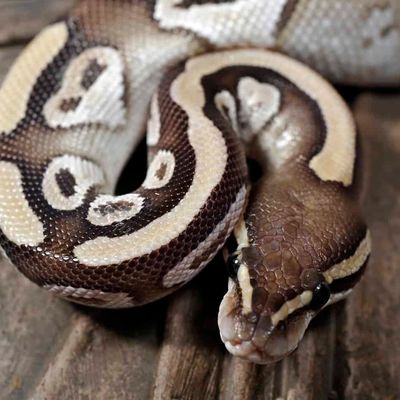
About Ball python's

Key Characteristics


  • Non-venomous: They kill prey by constriction.
     
  • Small to medium size: Adults typically grow 3–5 feet (0.9–1.5 meters), much smaller than many other pythons.
     
  • Docile nature: Known for being calm, which makes them popular as pets.
     
  • Variety of colors and patterns: Many morphs exist in captivity due to selective breeding.
     

Where They Live

 Ball pythons are native to savannas, grasslands, and lightly wooded areas of West and Central Africa. They spend a lot of time underground or in burrows to escape heat and predators. 

Diet


  • Primarily small mammals: rats, mice, and sometimes birds.
     
  • Eat infrequently: adult ball pythons may eat once every 1–2 weeks.

Behavior


  • Nocturnal: Most active at night.
     
  • Shy: They prefer hiding over confronting threats.
     
  • Defensive curling: Instead of striking, they curl into a ball when scared.

Are They Dangerous To Humans


Not really. Ball pythons are gentle and non-aggressive, making them one of the most popular pet snakes in the world. Bites are rare and usually minor.

As Pets


  • Easy to handle if socialized.
     
  • Require warm, humid habitats with hiding spots.
     
  • Can live 20–30 years in captivity, sometimes longer.

Ball Python care guide

introduction

Ball pythons are small-to-medium, non-venomous constrictors native to West and Central Africa. They are known for their calm temperament and their tendency to curl into a ball when scared—hence the name.

Adult Size

3-5 ft (females are larger then males)

temperament

Calm, Shy, Easily Handled

Lifespan

20-30 years in captivity

Lifestyle

mostly terrestrial

activity level

nocturnal 


Enclosure set up

Ball pythons prefer smaller, secure spaces and do poorly in overly open setups.

tank size


  • Hatchlings/Juveniles: 20–40 gallon
     
  • Adults: 40–120 gallon equivalent (minimum 4x2x2 ft)
     
  • Height not very important, but floor space is.

Enclosure type


  • PVC enclosures recommended
     
  • Must be escape-proof
     
  • Front-opening doors make handling easier


Heating & Lighting

Temperatures, Heating Equipment, and Lighting

Temperatures


  • Warm side: 88–92°F (31–33°C)
     
  • Cool side: 75–80°F (23–27°C)
     
  •  Ambient nighttime: no lower than 72°F (22°C) 

Heating Equipment


  • Under-tank heat mat (commonly used)
     
  • Radiant heat panel
     
  • Ceramic heat emitter
     
  • Must use a thermostat with any heat source

Lighting


  • 12-hour day/night cycle
     
  • UVB is optional but may improve activity and appetite


Humidity & Water

Humidity


  • Normal humidity: 50–60%
     
  • During shed: 65–75%
     
  • Use a digital hygrometer

Water


  • Medium or large water dish
     
  • Big enough for the snake to curl inside
     
  • Change water every 2–3 days


Substrate (Bedding)

Spot clean Weekly; full clean every 1-2 months. Ball pythons benefit from humidity-retaining substrates.

Recommended


  • Coconut husk or fiber
     
  • Cypress mulch
     
  • Reptichip
     
  • Paper towels or newspaper (quarantine)

Avoid


  • Cedar
     
  • Pine
     
  • Sand


Enclosure Furnishing

Ball pythons must have places to hide. Avoid open, empty setups—they cause stress and feeding issues.

Tank Items


  • Two hides minimum: warm side + cool side
     
  • Tight, secure hides they can squeeze into
     
  • Cork bark, logs, or half logs
     
  • Fake or real plants to create security
     
  • Optional low climbing branches or ledges


Cleaning and Maintenance

cleaning Tips


  • Daily: remove waste
     
  • Every few days: clean water dish
     
  • Monthly: full substrate replacement
     
  • Use reptile-safe disinfectants only


Handling

They generally tolerate handling very well once acclimated


  • Handle gently and support the full body
     
  • Ball pythons are shy—move slowly
     
  • Avoid handling when in shed
     
  • Avoid handling on feeding days


Health & Veterinary Care

Find an exotic veterinarian experienced with snakes.

Signs of good health


  • Clear eyes except during shed
     
  • Smooth scales
     
  • Strong muscle tone
     
  • Consistent feeding habits (outside of fasting season)

Signs of illness


  • Wheezing or popping sounds
     
  • Refusing food for long periods outside normal fasting
     
  • Soaking constantly
     
  • Mites (tiny black dots)
     
  • Scale rot (reddened belly scales)
     
  • Weight loss
     
  • Lethargy


Shedding

Never pull the shed; assist only if stuck on the tail or eyes. If shed comes off in pieces, increase humidity.

Shedding Tips


  • Occurs every 4–6 weeks in young snakes; less frequent in adults
     
  • Pre-shed signs: dull color, cloudy eyes
     
  • Increase humidity during shedding
     
  • Provide rough surfaces like cork bark


Safety Precautions

tips to protect you and your snakes


  • Wash hands before and after handling
     
  • Keep enclosure securely locked
     
  • Do not cohabitate ball pythons
     
  • Supervise interactions with children
     
  • Quarantine new snakes for 60–90 days


Record keeping

Documenting


  • Feeding log
     
  • Shed dates
     
  • Weight tracking
     
  • Health notes
     
  • Vet visits

sneklog is amazing for tracking weight and when they last ate

Add a footnote if this applies to your business

Feeding Guide

Diet


  • Frozen-thawed rodents
     
  • Mice for young snakes; rats for adults
     
  • Prey size: width of the snake at its thickest point


Feeding Schedule


  • Hatchlings: every 5–7 days
     
  • Juveniles: every 7–10 days
     
  • Adults: every 10–14 days


Feeding Tips

  • Use feeding tongs
     
  • Never feed live unless absolutely necessary
     
  • Ball pythons sometimes fast seasonally (normal)
     
  • Avoid handling after eating. Juveniles 3-5 days, adults 5-7 days


Still unsure about what to feed your snake? 

you can contact us and we will help!

Contact Us

Copyright © 2025 Makin Ophidian Morphs - All Rights Reserved.


Powered by

This website uses cookies.

We use cookies to analyze website traffic and optimize your website experience. By accepting our use of cookies, your data will be aggregated with all other user data.

Accept